 Translate
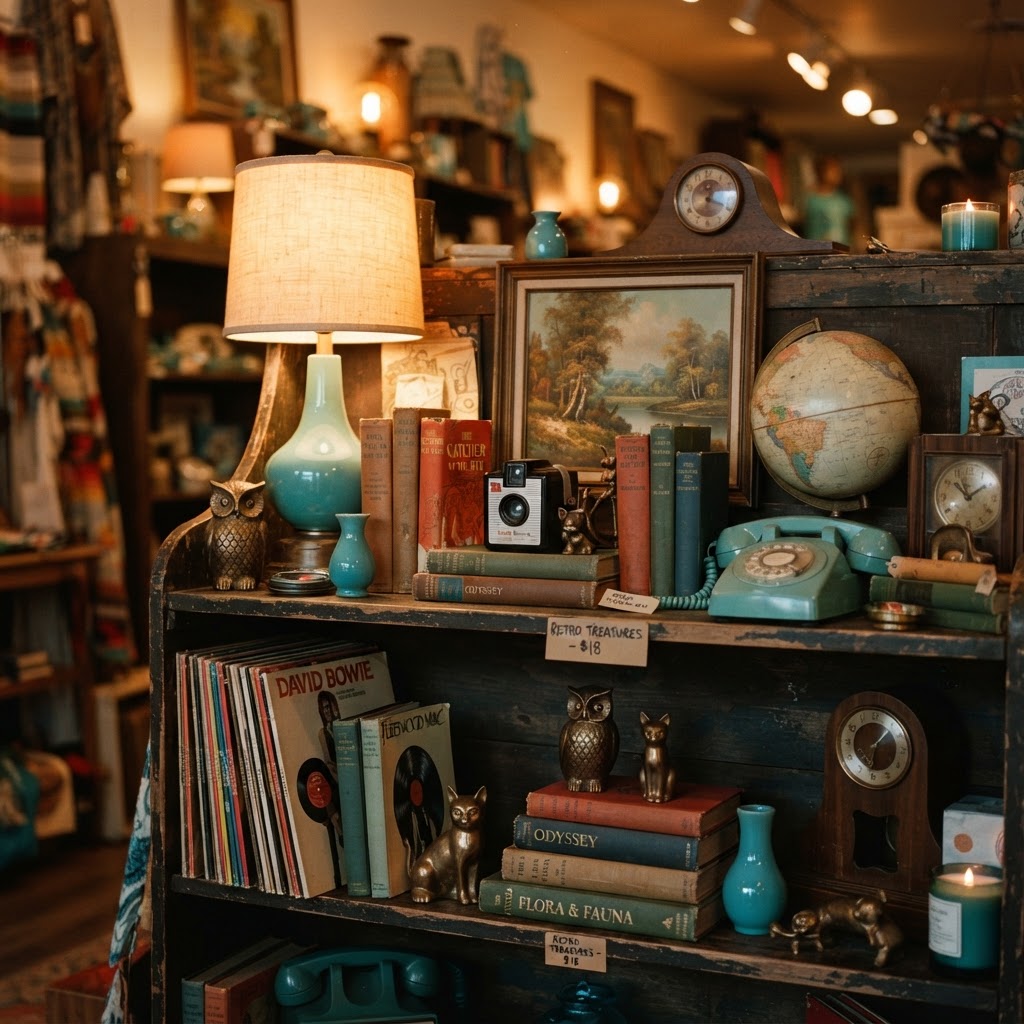
Beyond the Bin: Why Canadians are Trading Thrift Chains for Neighborhood Swap Meets in 2026
As major thrift store chains face backlash over soaring prices and corporate atmospheres, a new wave of hyper-local neighborhood swap meets is taking over the Canadian secondhand scene.
It is August 2026, and the Canadian summer is in full swing. But if you’ve stepped into a major thrift store lately in Toronto, Calgary, or Halifax, you might have noticed something different. The once-cluttered aisles are now minimalist and curated, the tags are being generated by AI scanners, and—most significantly—the prices are starting to look a lot like boutique retail.
Recent data from the 2026 Thrift Shift in Canada survey reveals a fascinating paradox. While over 80% of Canadians agree that thrifting makes more economic sense than ever due to the cost of living, a growing number of us are feeling what experts are calling "Thrift Fatigue." We want the secondhand goods, but we’re tired of the corporate markup.
The result? A massive resurgence of the "Neighborhood Swap Meet." Across the country, Canadians are bypassing the donation bin and heading straight to the community park or a neighbor’s driveway to trade, swap, and share.
The Rise of "Thrift Fatigue" in Canada
For decades, the thrift store was the ultimate sanctuary for the budget-conscious and the treasure hunter. But in 2026, the landscape has shifted. Major chains have professionalized to the point of no return. With the implementation of sophisticated pricing algorithms that cross-reference eBay and Depop in real-time, the "$5 hidden gem" is becoming an endangered species.
Canadian shoppers are noticing. We’re seeing stained fast-fashion shirts priced at $14.99 and vintage wood furniture—once a staple of the yard sale circuit—marked up to near-antique prices. This professionalization has stripped away the "thrill of the hunt" for many, leading to a search for more authentic, community-based alternatives.
The Professionalization Problem: AI and Corporate Secondhand
Why have prices skyrocketed? In 2026, the answer is often found in the technology behind the scenes. Many large-scale resellers now use AI-powered visual search to price items. While this ensures the store doesn't lose money on a rare designer find, it also eliminates the "value gap" that used to make thrifting so rewarding.
Furthermore, new Canadian regulations regarding textile waste (Extended Producer Responsibility) have put pressure on thrift stores to manage their unsellable inventory more strictly. This has increased their operational costs, which are, unfortunately, passed down to the consumer at the cash register.
Enter the Neighborhood Swap: The 2026 Yard Sale Evolution
If the traditional yard sale is about selling your old stuff for a loonie, the neighborhood swap meet is about the circular economy in its purest form. These events, which have popped up in record numbers this summer from Vancouver Island to Newfoundland, focus on direct exchange rather than profit.
Why Swaps are Winning in 2026:
- Zero Cost: Most swaps operate on a "take what you need, leave what you can" basis, making them inflation-proof.
- Community Building: Unlike a sterile retail environment, swap meets allow you to meet the people in your postal code.
- Higher Quality: Because there's no middleman pricing the items, you often find better quality goods that neighbors would rather see go to a good home than a corporate bin.
- Hyper-Local: No need to drive across the city; these are often organized via WhatsApp groups or Facebook Neighborhood hubs.
How New Textile Regulations Are Changing Your Donations
It’s not just about the money. Recent legislative shifts in provinces like British Columbia and Ontario have made it mandatory for producers to account for the end-of-life of their garments. While this is great for the planet, it has made traditional thrift store donation centers much more selective.
In 2026, you might find your local donation center turning away bags of "fair condition" clothing because they simply don't have the capacity to recycle the low-grade textiles. This "donation rejection" is another driver for the swap meet movement. Instead of seeing their items head to a landfill, Canadians are finding creative ways to keep textiles circulating within their own communities.
5 Steps to Hosting a Successful Local Swap Meet This Summer
Want to ditch the big-box stores and start something in your own neighborhood? Here is how to host a successful community swap in 2026:
- Pick a Niche: While "anything goes" swaps are fun, "Category Swaps" are trending this year. Try a "Back-to-School Kid’s Clothes Swap" or a "Kitchen Gadget Exchange."
- Digital Invitations: Use hyper-local apps to invite your neighbors. The key to a good swap is a high density of participants in a small geographic area.
- Set Clear Ground Rules: Ensure everyone knows the items must be clean and functional. A swap isn't a place for literal trash; it's a place for pre-loved treasures.
- Organize by Size or Type: Use folding tables or simple tarps labeled with masking tape (e.g., "Adult Large," "Books," "Home Decor"). This prevents the "rummage pile" frustration.
- Plan for the Leftovers: Always have a plan for what doesn't get taken. In 2026, this usually means booking a pickup with a local textile recycler or a smaller, independent charity that still accepts bulk donations.
The Future of Secondhand in Canada
As we look toward the end of the 2026 summer season, it’s clear that the way we shop secondhand is undergoing a permanent change. We still love the sustainability and the uniqueness of pre-owned goods, but we are moving away from the "big box" thrift experience.
Whether it’s a high-tech yard sale with digital payments or a simple neighborhood clothing swap, the spirit of thrifting is returning to its roots: neighbors helping neighbors, reducing waste, and finding joy in the items that someone else no longer needs.
So, before you load up the car for a trip to the big thrift chain this weekend, check your local community board. There might just be a neighborhood swap meet right around the corner where the treasures are plenty, the coffee is free, and the prices—for once—are exactly zero.
Ready to find your own treasure?
Browse active yard sales near you on the interactive map.
Browse yard sales near you