 Translate
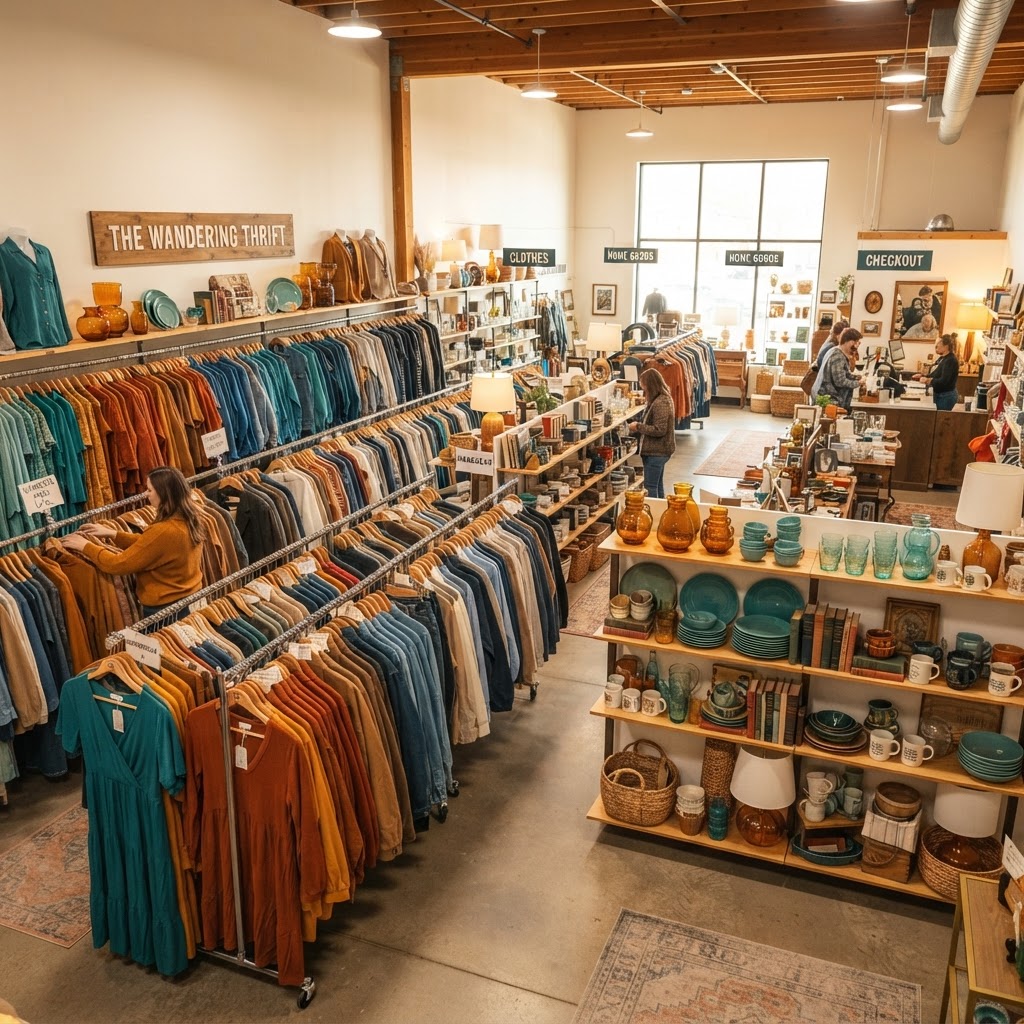
The Great Canadian Back-to-School Thrift: Why 2026 is the Year of the Secondhand Student
As Canadian students prepare for a new semester, a massive shift toward secondhand school supplies is saving families thousands. Discover how to ace your back-to-school shopping at the thrift store this year.
It’s mid-August in Canada, and you know what that means. The air is starting to get that slight morning crispness, the days are getting shorter, and every big-box retailer from Halifax to Victoria has plastered their windows with bright yellow “Back to School” signs. But if you’ve stepped into a thrift store lately, you’ve likely noticed something different this year. In 2026, the traditional “mall crawl” for new pens and crisp jeans has been officially dethroned. The secondhand movement is no longer just a niche hobby for vintage enthusiasts; it has become the primary strategy for Canadian students and parents looking to beat inflation and express their individuality. Welcome to the year of the Secondhand Student. Here is everything you need to know about navigating the thrifting scene this August.
The “Thrift-to-School” Movement Hits Its Peak
Why the sudden surge? Recent retail reports show that the cost of a “new” back-to-school wardrobe and kit has risen by nearly 15% since last year. For the average Canadian family, that’s a tough pill to swallow. However, at your local thrift store, those prices have remained relatively stable. But it’s not just about the loonies and toonies. Gen Z and Gen Alpha students are leading the charge for sustainability. In 2026, wearing a brand-new, mass-produced outfit is often seen as “basic.” Finding a unique, vintage oversized blazer or a perfectly worn-in pair of 90s Levi’s at a yard sale? That’s an “eco-flex.” This shift represents a fundamental change in how young Canadians view consumption. The stigma of used goods has vanished, replaced by a competitive pride in finding the best deal or the most unique piece.
Top 5 Categories to Source Secondhand This Month
If you’re heading out to the bins or your local Salvation Army, here is where you’ll find the best value for the 2026 school year:
1. The Dorm Room Glow-Up
Whether you’re heading to Dalhousie, U of T, or UBC, dorm rooms are notoriously small and notoriously expensive to furnish. This year, we are seeing a massive influx of “small-space solutions” in the furniture sections of Canadian thrift stores.
- Look for: Solid wood nightstands (that you can DIY), vintage lamps, and quirky wall art.
- Pro Tip: Always check the “kitchenware” section for single-serve coffee makers and mugs. You’ll save $50+ compared to buying new.
2. The “Retro-Tech” Renaissance
With the 2026 trend of “digital intentionality,” many students are looking for older tech. Believe it or not, thrift stores are currently gold mines for:
- Calculators: Scientific and graphing calculators that retail for $150 are often sitting in the electronics bin for $10.
- Computer Peripherals: Mechanical keyboards, monitors, and even high-quality USB cables are abundant as offices continue to downsize their physical footprints across Canada.
3. Outerwear for the Canadian Climate
We all know a Canadian winter isn't cheap. Buying a brand-new parka can set a student back half a month's rent. August is actually the best time to hunt for winter gear at a thrift store. Most people aren't thinking about snow yet, so the selection is high and the prices are low. Look for brands like Patagonia, North Face, and MEC—they are built to last and often end up on the racks in near-perfect condition. Don't forget to check the boots section; high-quality leather boots can be resoled and will last through four years of university and beyond.
4. Textbooks and Reference Materials
Before you hit the campus bookstore, check the “Educational” or “Non-Fiction” aisles. While you might not find this year's specific neurobiology manual, you will find dictionaries, classic literature for English 101, and general reference guides for a fraction of the price. Many students donate their previous year's books in late July, meaning the shelves are currently stocked with relevant materials.
5. Extracurricular Gear
Is your kid starting hockey, band, or art classes? The secondhand market for sports equipment and musical instruments is booming right now. Check local yard sale listings on Saturday mornings for parents clearing out gear their children have outgrown over the summer. From skates to saxophones, the savings here can be in the hundreds of dollars.
Strategies for a Successful Back-to-School Thrift Trip
Thrifting for a specific list requires a bit more strategy than a casual Saturday browse. To truly win at the back-to-school game, follow these rules:
- Shop the “Edge” Cities: If you live in a major hub like Toronto or Vancouver, try driving 30 minutes to a smaller suburb. The thrift stores in smaller Canadian towns often have lower prices and less competition for the “cool” vintage items.
- Use the “Flip and Inspect” Rule: When buying clothes, always check the armpits, zippers, and inner thighs. Students are active! You want to make sure that $8 pair of cargos doesn't need a $20 repair. Check for pilling on sweaters and ensure that all buttons are present on blazers.
- Check for Student Discounts: Many Canadian thrift chains, including Value Village and Mission Thrift, offer specific days where students get an extra 10-20% off with a valid ID. August Tuesdays are often the “golden days” for these deals. Always ask at the register, even if there isn't a sign posted.
- The Bag Method: Bring your own reusable bags. Not only is it better for the environment, but many stores are now charging for bags or have run out due to the high August volume. Having a large, sturdy bag also makes it easier to carry heavier finds like textbooks or small appliances.
The Rise of Campus “Swap Meets”
A new trend we’re seeing in 2026 is the rise of organized yard sale events hosted by student unions. These “Swap Meets” allow students to trade items they no longer need for “new-to-them” gear. It’s a circular economy in action, and it’s happening on campuses across the Maritimes and the Prairies this week. If you’re a student, check your university’s social media for “Move-In Day Swaps.” These events are fantastic for picking up the small things you forgot, like desk organizers or extra hangers, without spending a dime.
Final Thoughts: The Value of the Hunt
Back-to-school shopping doesn't have to be a stressful, bank-breaking experience. By choosing to shop secondhand, you’re doing more than just saving money. You’re reducing waste, supporting local charities, and ensuring that you show up to class with a style that is uniquely yours. The thrill of finding a high-end designer backpack for $15 or a vintage Canadian-made wool sweater is far more rewarding than clicking “buy now” on a generic website. So, before you head to the mall, take a stroll through your local thrift store. The perfect outfit, the vintage desk chair, and the most comfortable hoodie in the world are waiting for you—at a price that leaves you with enough left over for a double-double and a few extra study snacks. Happy hunting, Canada! Let's make 2026 the most sustainable and stylish school year yet. Found a great back-to-school score? Tag us on Instagram @ThriftyYard and show off your finds!
Ready to find your own treasure?
Browse active yard sales near you on the interactive map.
Browse yard sales near you